by Indyar
Vol 1; Issue 1
What's New
Welcome to the inaugural issue of Liner Notes! This newsletter is your inside view into Indyar. Through Liner Notes, we will give you updates as we continue to grow and expand our features to better serve you and your needs.
We are in our very early stages of development. Despite this, we are excited to announce that a Members Section is in development. The Members Section will initially be available to our Indyar Partners Program. If you’re interested in joining, click here to find out how.

Artist Spotlight
Jay Ferg
Born in North Carolina and raised in New Jersey, this starving "Garden State" artist always puts his best foot forward on beats. Jay Ferg has a great understanding of what it takes to be a great hip hop artist. He learned by studying the legends in the game and the very talented up and comers but never copies them. His style consists of real life experiences and much creativity with a little story telling. He is a very lyrical emcee that makes great use of punchlines and double, even sometimes triple, entendres. With his wittiness and smooth delivery he conquers the microphone. Hardworking, always real, and always consistent; this emcee continues to successfully carve his own lane.
Jay Ferg has 2 singles out from his latest album Sacrifice
Be sure to check out Jay Ferg’s latest album Sacrifice and see what he's up to through his Linktree!




Pro Tip
Audio Interfaces
By Brian Hallermann,
Brian J. Hallermann lives at the intersection of technology and education. As a licensed music teacher, performer and audio/video engineer he uses his diverse professional experience to create resources that will drive the future of arts education.
As computers and mobile devices continue to get smaller and more powerful, the opportunities for artists and producers to capture their own work are almost unlimited. Computers redefined how we capture, edit, and deliver audio. However, despite all these technological advances, a few constants remain. To record audio to a computer we have to turn acoustic sound waves into data so we can manipulate it with all of our wonderful software. After a microphone, the most important piece of equipment is the audio interface that converts those awesome sounds to 1’s and 0’s that the computer relies upon.
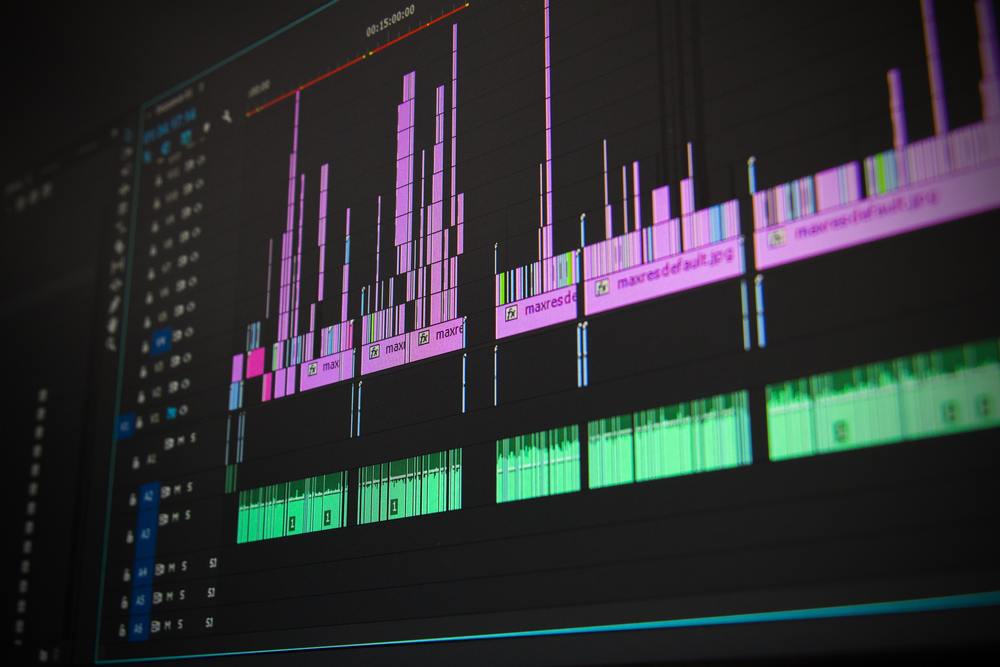
Before making a decision on which interface is best for you, there are a few questions you have to answer about what and how you record. By answering these simple questions, you can pick the perfect piece of gear for your creative projects.
Inputs: How many different instruments do you want to record at the same time?? If you are a solo artist just doing your own demos on guitar and vocals, you may only need 2-4 inputs. Recording drums is the one thing that makes engineers go for interfaces with more inputs. Rule of thumb is to consider an interface with at least 8 inputs if you plan on tracking drums. In the author’s experience, figure out the most inputs you think you need…then add 2-4 more and make your decision.
Connection: As computer makers create newer and faster connections, the audio world has to adapt. What type of computer you use to record may affect what interfaces you are able to purchase. USB has become one of the most reliable connections for any computer peripheral. For a while, USB 1 and 2 lagged behind Firewire for handling large recording sessions. USB 3 was a major upgrade and Firewire has since been eliminated by Apple, so you won’t find too many Firewire interfaces these days. USB easily handles most of the entry to mid level needs of today’s interfaces. The more powerful, high input devices are now turning to Thunderbolt (originally on Apple, but available for PC now) and network based technologies such as Dante.
Other considerations: Addressing your input and connection needs takes care of the majority of your shopping. After that, you may look at features that are unique to a specific piece of equipment or your creative or technical needs. Some manufacturers are offering software such as plug-in bundles or detailed routing control software.
The size and shape of the physical box can be important as well. Do you want to rack mount it?? Set it on your desk? Do you want it to be mobile? How and where you record can influence your choice of hardware.
The great thing about recording equipment today is that there are almost unlimited options to choose from. The bad thing about recording equipment is ALSO that there are unlimited options. Don’t be overwhelmed. Answer the questions in this article, then talk with a trusted representative at your favorite audio supplier. Tell them what you need and they will get you set up to track your next great project! ♫
_Until Next Time_
For more great content like this, Subscribe to Liner Notes!